
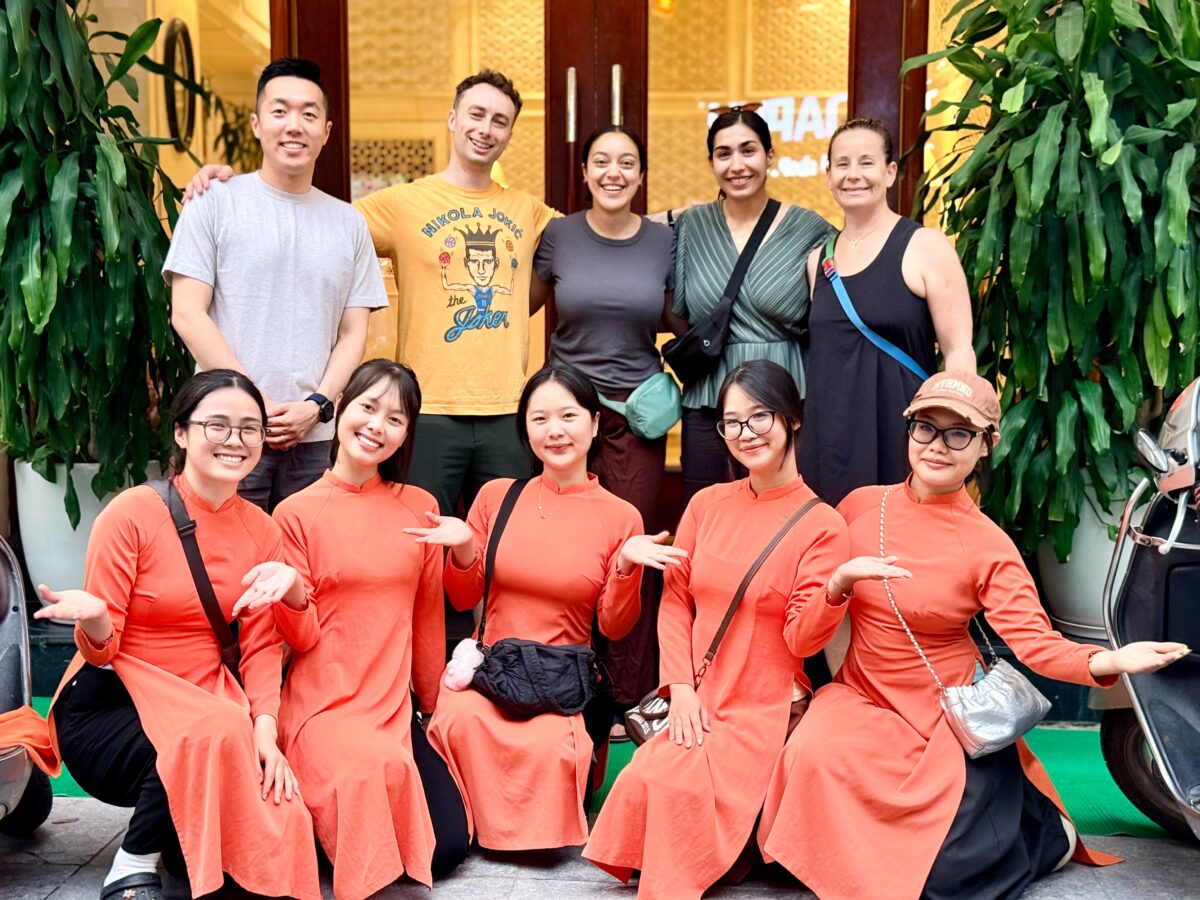
Hanoi to But Thap Pagoda & Dong Ho Painting Village Full-Day Private Car Tour Led by Women
ITINERARY: Hanoi Private Pickup – Bac Ninh Heritage Region – But Thap Pagoda Architecture – Buddhist Art and Sculpture – Dong Ho Folk Painting Traditions – Return to Hanoi
Stage 1: 8:00 AM – Leave Hanoi for a Private Bac Ninh Heritage Tour
Begin your day with a private hotel pickup in Hanoi by a professional female tour leader and driver. Travel toward Bac Ninh, where historic Buddhist sites and traditional craft communities preserve important elements of northern Vietnam’s cultural identity.
During the journey, your guide introduces the geography and heritage of the Red River Delta. Learn how agricultural settlements developed around rivers, rice cultivation, communal institutions, and religious centers. These village traditions helped shape the region’s distinctive architecture, festivals, and artistic practices.
Your guide also explains the cultural significance of Kinh Bac, a historical region strongly associated with traditional Vietnamese folk music and handicrafts. Understanding this background provides a useful introduction to the destinations included in the day’s itinerary.
Enjoy the flexibility of private transportation, with direct travel between stops and time to ask questions along the way. The journey is designed for travelers interested in culture, history, traditional craftsmanship, and rural life rather than a rushed checklist of attractions.
Stage 2: 9:30 AM – Explore But Thap Pagoda’s Traditional Architecture
Visit But Thap Pagoda, a major Buddhist heritage site in Bac Ninh Province. Begin with a guided walk through the accessible parts of the complex, observing its temple buildings, courtyards, tiled roofs, wooden structures, and traditional decorative details.
Your female tour leader explains the layout of the pagoda and the functions of its different spaces. Learn how religious buildings accommodated worshippers, Buddhist ceremonies, and the preservation of sculptures and other sacred objects.
Pay attention to the relationship between architecture and the surrounding environment. Traditional temple compounds often organize movement through courtyards and building entrances, creating a progression from exterior spaces toward more sacred interiors.
Your guide discusses the craftsmanship involved in traditional construction and explains how historic religious sites have been maintained as places of worship and cultural heritage. You will have time to observe architectural details and take photographs where permitted.
Stage 3: 10:45 AM – Discover Vietnamese Buddhist Sculpture and Religious Symbolism
Continue the visit with an introduction to the religious art preserved at But Thap Pagoda. The highlight is the celebrated thousand-eyed, thousand-armed Avalokitesvara statue, known for its intricate sculptural composition and representation of compassion.
Learn how the statue’s many arms symbolize the ability to assist living beings, while its eyes represent awareness of suffering. Your guide explains how Buddhist religious ideas are expressed through visual symbols and how these sculptures reflect the artistic traditions of northern Vietnam.
Observe the sculptural details and, where accessible, learn about other religious figures and decorative elements within the complex. The visit emphasizes interpretation rather than simply identifying individual objects, helping you understand the relationship between Buddhist beliefs, artistic expression, and local worship.
Your guide will also explain the etiquette expected at religious sites, including appropriate clothing, quiet behavior, and respect for active worship. Access to specific interiors and photography may depend on temple regulations.
Stage 4: 12:00 PM – Local Lunch and Cultural Conversation
Enjoy lunch at a suitable restaurant in the Bac Ninh area. Depending on the establishment and the day’s menu, you may choose from traditional Vietnamese dishes featuring rice, vegetables, tofu, chicken, pork, fish, or soup.
Your female tour leader can help explain unfamiliar menu items and suggest dishes according to your preferences. The meal provides a relaxed opportunity to experience everyday Vietnamese dining customs, where several dishes are often shared around a table.
Discuss the morning’s visit and learn more about the local communities that have maintained the region’s religious traditions and traditional crafts. Your guide can also explain how rural food habits are influenced by seasonal produce, family cooking, and regional ingredients.
After lunch, take a short rest before continuing to the folk-art portion of the tour. Lunch arrangements and specific dishes depend on the restaurant selected.
Stage 5: 1:15 PM – Visit Dong Ho Painting Village and Discover Traditional Printing
Travel to Dong Ho Painting Village for a closer look at one of northern Vietnam’s distinctive folk-art traditions. Dong Ho paintings are traditionally associated with seasonal celebrations, household decoration, and wishes for happiness, prosperity, and good fortune.
Explore common themes in the artwork, from domestic animals and family scenes to celebrations and symbolic images. Your guide explains how these compositions reflect the values, humor, beliefs, and daily experiences of traditional Vietnamese communities.
Learn how artisans produce folk paintings using carved wooden printing blocks and carefully applied layers of color. Traditional materials may include paper prepared with điệp shell powder, which gives some paintings a characteristic shimmering texture.
Where local access permits, visit a participating workshop to see examples of wooden blocks, printing materials, and completed artworks. If the artisan offers a demonstration, observe how the different layers are aligned to create the final image. Hands-on printing depends on workshop availability and is not guaranteed.
You may also browse available paintings and handicrafts, with the opportunity to learn about their subjects and cultural meanings before making an optional purchase.
Stage 6: 3:00 PM – Private Drive Back to Hanoi
Conclude your cultural day in Bac Ninh and begin the return journey to Hanoi by private car. Relax as you travel through the Red River Delta countryside and back toward the capital.
Your female tour leader can answer final questions about the history of But Thap Pagoda, the symbolism of Buddhist sculpture, and the preservation of Dong Ho folk painting. You will leave with a clearer understanding of how religious traditions and folk art have contributed to the identity of northern Vietnamese communities.